Wellness Real Estate Is a $1.8 Trillion Opportunity.
Wellness real estate is booming, but architecture alone won't capture it. See why social infrastructure and programming drive resident retention and resale value.
Daryn Berriman
6/30/20263 min read
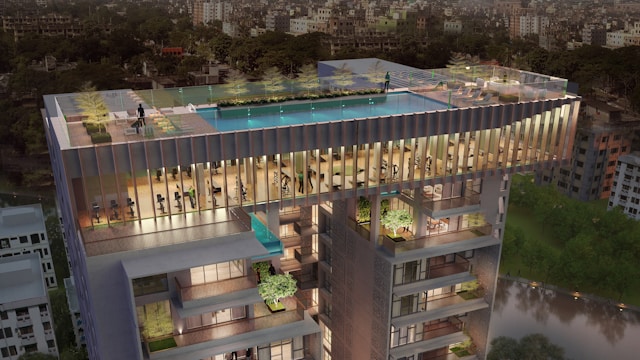
Something real is happening in residential wellness real estate. Buyers aren't just choosing a property anymore; they're choosing whether they'll feel connected to the people living around them. That shift is the biggest opportunity in the asset class right now, and most developments aren't built to capture it yet.
The Global Boom and the Execution Gap
The global wellness real estate market reached $876 billion in 2025, with projections pointing toward $1.8 trillion by 2030. That kind of growth means more developments competing for the same buyer, and 'wellness' is fast becoming table stakes rather than a differentiator. Across estates globally, I've watched the same pattern play out: the developments that build connection into the operational plan from day one see stronger occupancy, faster resident referrals, and tighter retention than the ones that simply build beautiful spaces and hope. The difference isn't the budget. It's whether anyone owns making the space come alive.
Social Infrastructure Is the New Competitive Advantage
Walkable paths that connect neighbourhoods. Communal gardens residents can plant and harvest together. Open green spaces that replace decorative lawns nobody sits on. This is social infrastructure, and it's quickly becoming the feature buyers screen for before they even ask about finishes. Public health researchers have spent the last several years documenting a genuine rise in isolation, particularly among higher-income buyers who relocate often. A development that genuinely engineers opportunities for connection isn't adding a nice-to-have. It's meeting a core buyer need.
Programming Turns Communal Space Into Resale Value
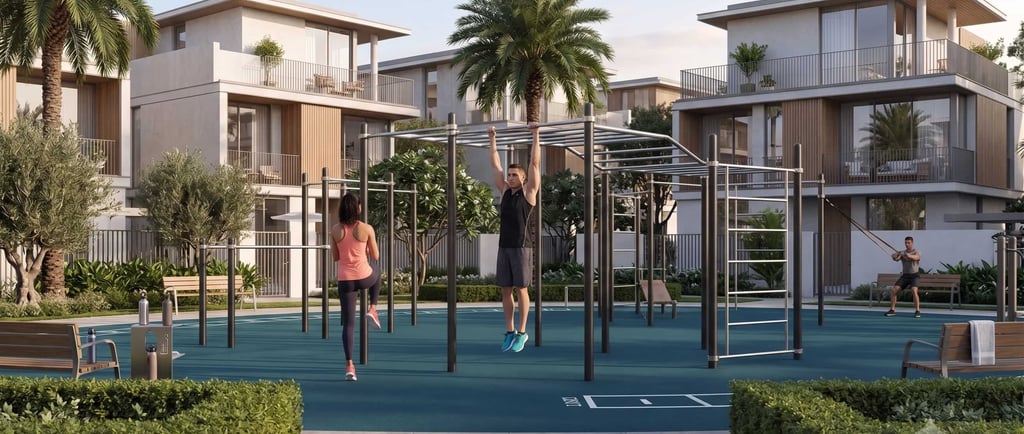
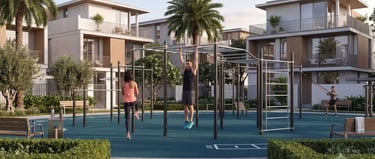
A beautiful garden or outdoor fitness circuit is potential, not performance. The estates seeing the strongest results are treating programming (the weekly community run, the open air morning class, the seasonal harvest event) as a real budget line with a real owner, built in before residents ever move in.
Some developers argue that their buyers want privacy, not organised socialising. They are right that privacy matters, but it does not conflict with good social infrastructure. The goal is designing genuine, low-pressure opportunities that is easy to opt into and just as easy to skip. Done well, privacy and community reinforce each other.
The Five Questions to Ask Before Breaking Ground
A few things worth settling at the concept stage, not after handover:
Does the programming have its own budget line, separate from landscaping and construction?
Who owns activation once residents move in: an HOA, a management company, or a dedicated community lead?
How short is the walk from the furthest home to the nearest communal hub?
Is there a draft events calendar ready before the first resident arrives?
Are the governance basics (booking systems, shared responsibilities) settled in advance?
Get these right early and the operational plan becomes as strong an asset as the architecture itself.
Let's Build the Operational Blueprint Together
If you're planning a residential wellness estate and want to make sure you're capturing this opportunity rather than just building toward it, that's exactly what a strategy call is for. Luxe Wellness Spaces works with developers and operators who want their communal spaces to work, commercially and socially, from day one. Contact us to book a strategy call.
FAQ's
What's the real difference between an amenity and social infrastructure?
An amenity is a space. Social infrastructure is a space paired with a reason for people to be there together. The second part is what creates the value.
Do residents actually want organised community, or is that an assumption developers are making?
The demand is for opportunity, not obligation. Well-designed programming is opt-in and low-pressure; the residents who want connection use it, and the ones who don't simply aren't bothered by it.
Who should run the calendar once the estate is occupied?
Someone specific and accountable, whether that's an HOA-appointed community manager or a contracted operator. Shared ownership tends to mean no ownership.
How do we measure whether this is actually working?
Track usage alongside construction milestones: attendance at programmed events, informal use of shared spaces, and resident retention or referral rates over the first 12 to 18 months.
Related article: 'Wellness as infrastructure: Why Developers Who Get This Right Are Building Better Assets.'
You may also enjoy reading: Are You Building a Wellness Facility or a Wellbeing Asset?
About The Author
Daryn Berriman is the Founder of Luxe Wellness Spaces, a strategic management consultancy dedicated to the commercial performance of luxury wellness assets. He consults across wellness hospitality, private social clubs, premium spas, and leisure destinations globally.
Turning wellness concepts into commercial realities.
© Luxe Wellness Spaces 2026. All rights reserved.


Regional Expertise