Beyond the Marble: What "Quiet Luxury" Really Means in Spa Design
What is quiet luxury in spa design? It's more than materials. It's the key to operational excellence and guest delight. See how we build spas that perform.
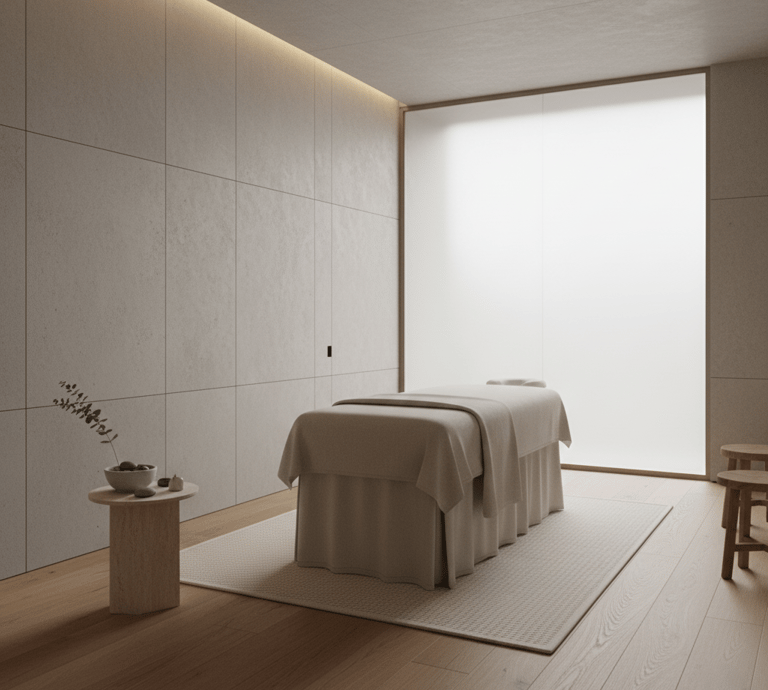
Your new spa is stunning. It has the finest Italian marble, bespoke lighting, and the most expensive equipment. So why is the guest feedback 'average' and the revenue flat?
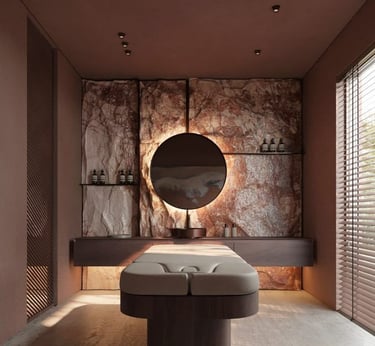
This is the crucial gap between 'expensive' and 'quiet luxury.' Quiet luxury in spa design is not just an aesthetic; it's a result. It's the effortless intersection of timeless design , intuitive guest flow, and peak operational performance. It's a space that feels as good as it looks-for guests and operators alike.
Many operators invest millions in high-end finishes but struggle to balance them with operational efficiency and ROI. The result? Beautiful, empty rooms and stressed staff. Quiet luxury, when done right, solves this. It transforms your wellness space from a simple amenity into a powerful driver of guest loyalty, ancillary revenue, and overall asset value.
It's Not a Look, It's a Feeling (Powered by Operations)
The term "quiet luxury" is often mistaken for a purely visual style: minimalist, neutral-toned, and expensive. But in a commercial wellness environment, that's only 10% of the story.
True quiet luxury is invisible. It’s the absence of friction.
It's a guest journey that feels intuitive and private. It's the serene atmosphere that comes from staff who aren't scrambling because their back-of-house workflow is perfectly designed. It's the "effortless" feeling that is, in reality, the product of meticulous operational planning.
The Myth of Materials
You can't "buy" quiet luxury by simply specifying expensive materials. Guests are no longer impressed by opulence alone. They are impressed by comfort, service, and seamlessness. The right materials, lighting, and flow are chosen because they support the human experience and the operational standards, not just for their brand name.
The Power of Flow
The real magic is in the flow. We focus on this from day one.
Guest Flow: What is the journey from the locker room to the treatment bed? Is it private? Is it simple? Does it build anticipation? We map every touch-point.
Staff Flow: Where does the clean linen come from? How does a therapist move between clients? A well-designed workflow is the secret to a calm, high-performing team.
The "Quiet Luxury" Blueprint: Where Design Meets Performance
Achieving this level of integration doesn't happen by accident. It’s an end-to-end process that places strategy at the same level as design.
1. The Strategic Foundation
Before we sketch a single room, we build a commercial and strategic model. This includes a deep market and competitive analysis , feasibility studies, and detailed business modeling. We define the vision and, most importantly, the KPIs that will define its success.
2. The Operational Core
This is where most design-led projects fail. We build the operational plan into the design. This includes spa menu engineering, staffing models, and vendor specification. The design must serve the operation, not the other way around.
3. The Holistic Experience
A wellness space shouldn't be an island. We ensure its strategy is fully integrated with the broader resort or residential brand. This means aligning everything from F&B and fitness to outdoor recreation, creating a single, holistic wellness journey for the guest.
The Costly Mistake: Designing in a Silo
The most common error we see is hiring an interior designer who doesn't understand spa operations.
They design for a magazine cover, not for a P&L statement. They create stunning spaces that are inefficient to clean, confusing for guests, or stressful for staff. This "silo" approach ignores the fact that a wellness space is a complex, living business. You wouldn't design a restaurant kitchen without a chef's input; why design a spa without an operator's?
The Counter-Intuitive Truth: Real Luxury is... Efficient
It sounds strange, but the pinnacle of quiet luxury is an efficient operation.
Efficiency means the guest experience is so seamless and effortless that the guest never has to think. They just... relax. The magic is in the systems, training frameworks , and performance metrics you build around the design. When your team is supported by smart design, they can focus 100% on guest delight. That's the real luxury.
Your Spa Should Perform as Beautifully as It Looks
Ultimately, quiet luxury isn't something you buy. It's something you build.
It's the disciplined integration of a strategic vision, commercial modeling , and deep operational expertise. The result is a timeless space that delivers both emotional impact and commercial returns.
Is your wellness space working as hard as it should? Don't guess. Let's find out.
Book a strategic audit with Luxe Wellness Spaces today, and let's uncover the gap between your spa's aesthetic and its true performance.
FAQ's
What is the ROI of quiet luxury spa design?
The ROI of quiet luxury spa design comes from integrating high-end aesthetics with operational excellence. This approach reduces staff friction, improves efficiency , and elevates the guest experience. This leads to higher guest satisfaction, repeat business, and increased ancillary revenue, turning the spa from a cost center into a valuable asset.
How does spa operational flow affect the guest experience?
Operational flow is critical because it dictates the "feel" of the spa. A poor flow creates bottlenecks, noise, and stressed staff, which the guest feels immediately. A seamless flow, based on smart user-journey mapping and efficient workflow design , creates a private, serene, and effortless experience that defines true luxury.
What's the difference between a spa designer and a spa consultant?
A spa designer typically focuses on the aesthetic: the materials, lighting, and layout of the space. A spa consultant, like Luxe Wellness Spaces, integrates design with a performance-first approach. We manage the entire process, from market analysis and business modeling to operational setup and launch strategy , ensuring the final space is not only beautiful but also commercially successful.
Why is user-journey mapping important in a spa?
User-journey mapping is the process of charting every single step and touch-point a guest experiences, from booking to departure. It's vital in a spa because it helps identify and eliminate all points of friction. This ensures the guest's path feels intuitive, private, and seamless, which is the foundation of a 'quiet luxury' experience.
Further reading on our blog: Further reading on our blog: 'How Wellness Design Lifts Hotel Asset Value.'
About The Author
Daryn Berriman is the Founder and Principal Consultant of Luxe Wellness Spaces, a consulting-led studio blending operational expertise and design excellence to create wellness businesses that perform, and spaces that guests love.
Turning wellness concepts into commercial realities.
© Luxe Wellness Spaces 2026. All rights reserved.
Regional Expertise